

To remove pet stains naturally, start by lifting away solids and blotting up liquid, then choose a treatment suited to your carpet. This guide from WakaPaw explains how to use household cleaning options, when an enzyme treatment can help with lingering odors, and how to protect carpet fibers. Always spot-test first and avoid soaking the backing.
- Act quickly: lift away the mess and absorb liquid before it spreads.
- Choose one treatment: the methods below are alternatives, not ingredients to combine.
- Check the material: wool and delicate natural-fiber rugs need different care from many synthetic carpets.
- Treat stains and odors separately: a spot can look clean while odor remains.
- Dry thoroughly: keep pets away until the area is dry and product directions allow their return.
Can You Remove Pet Stains Naturally?

Yes, some fresh pet stains respond to prompt blotting and a suitable household cleaning solution. Results depend on the mess, carpet fibers, dyes, and how long the stain has been there. Urine, vomit, and muddy paw prints do not always need the same treatment.
“Natural” does not automatically mean gentle on every carpet. Vinegar is acidic, baking soda leaves powder behind, and hydrogen peroxide can lighten dyes. Dish soap and peroxide are included here as additional household options, rather than as universally natural or harmless cleaners.
The goal is to use the simplest compatible method that removes the mess without damaging the material. For older accidents, visible staining and lingering odor may require different treatments.
Why Pet Stains Keep Coming Back After Cleaning

A spot that returns after drying may involve wicking: moisture carries remaining contamination from lower layers back toward the carpet surface. Repeatedly wetting the same area can prolong the problem instead of removing its source.
Cleaning residue can also leave a patch that attracts fresh dirt. Meanwhile, urine may change carpet dyes, leaving discoloration even after the area has been cleaned. The Carpet and Rug Institute notes that some urine damage is permanent, depending on the carpet and circumstances.
Before treating a returning mark, check whether it is still damp, sticky, discolored, or noticeably smelly. That helps you decide whether the next step should be residue removal, odor treatment, or a professional assessment.
Before You Start: Blot, Don’t Rub, and Spot-Test First

Put on gloves and lift solid waste with a spoon or similar blunt tool. Press a clean white towel onto liquid, replacing it as it becomes wet. Avoid rubbing, which can spread the mess and disturb the pile.
Check the carpet manufacturer’s instructions, then test your chosen treatment in a hidden area. Allow the test patch to dry before checking for fading, color transfer, or texture changes. The Carpet and Rug Institute recommends applying small amounts of spot-cleaning solution with a white cloth and working inward from the edges.
Gather white towels, clean water, your selected treatment, and a fan for drying. Keep pets out of the work area, and do not add household mixtures to a cleaning machine unless its manufacturer explicitly permits them.
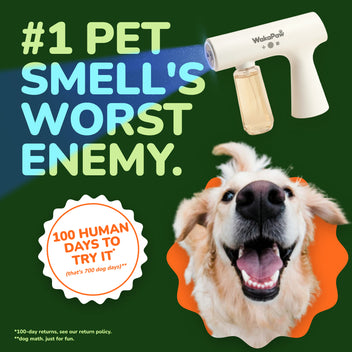
Eliminate stubborn pet odors with WakaPaw Pet Odor Eliminator Spray. Enzyme-powered formula helps tackle od...
How to Remove Pet Stains From Carpet Naturally (Step by Step)
Start with the cleanup above, then choose one compatible method below. You do not need to use every ingredient, and combining them does not necessarily improve the result.
How to Use White Vinegar on Pet Stains
Diluted white vinegar may help with certain urine spots on carpets whose care instructions permit it. It is not a dependable solution for every stain or for urine trapped beneath the carpet.
For a compatible carpet:
- Mix one part plain white vinegar with two parts water.
- Dampen a white cloth with the solution.
- Blot the affected fibers without pouring liquid into the backing.
- Use a separate cloth lightly dampened with clean water to remove residue.
- Press dry towels over the area and allow it to dry.
This dilution appears in the Carpet and Rug Institute’s urine-cleaning guidance. Use ordinary white vinegar, not concentrated cleaning vinegar, and never mix it with bleach or hydrogen peroxide.
How to Use Baking Soda on Pet Stains
Baking soda is better suited to freshening a dry, cleaned area than removing a urine stain by itself. First remove the mess and address visible soiling.
If your carpet and vacuum manufacturers allow fine powders:
- Wait until the carpet is completely dry.
- Sprinkle a light layer of plain baking soda over the area.
- Keep pets away while it sits.
- Leave it for about 15 minutes, then vacuum thoroughly.
Avoid piling powder onto wet urine or combining it with vinegar; fizzing is not evidence that the underlying contamination has been removed.
How to Use 3% Hydrogen Peroxide on Stubborn Discoloration
Hydrogen peroxide is an oxidizing agent that can affect both stains and carpet color. A 3% solution is not suitable for every carpet, and a lighter patch after treatment may be dye loss rather than successful stain removal.
Only consider it if your carpet manufacturer approves peroxide for that material:
- Test a hidden patch and let it dry completely.
- Apply a small amount to a white cloth.
- Dab the remaining discoloration.
- Follow the manufacturer’s specified contact time and removal instructions.
- Blot and dry as directed.
If no approved peroxide procedure is available, choose another method. Plain peroxide is not equivalent to a formulated carpet cleaner and may discolor fibers. Do not mix it with vinegar, bleach, or other cleaners.
How to Use Dish Soap on Pet Stains
A very dilute dish-soap solution can help lift some surface soiling on suitable carpets. Use a clear, non-bleach liquid intended for hand-washing dishes, rather than dishwasher or laundry detergent.
For carpets that permit this method:
- Mix ¼ teaspoon of dish soap with one cup of lukewarm water.
- Dampen a white cloth and blot gently.
- Remove loosened soil with clean sections of the cloth.
- Blot with a separate water-dampened cloth to remove detergent.
- Absorb moisture with dry towels.
Keep the concentration low. Leftover detergent can attract dirt, so careful residue removal matters. Skip household dish soap on delicate rugs whose care instructions require a specialist carpet product.
How to Use a Plant-Based Enzyme Spray (WakaPaw)

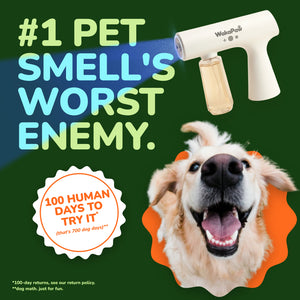
If you are considering an enzyme cleaner for pet stains, the WakaPaw Pet Odor Atomizer offers a cordless way to apply its fragrance-free, plant-based enzyme formula to compatible fabrics. Its role in this routine is to help address odor-causing residue after the initial mess has been removed.
To use it:
- Spot-test and confirm surface compatibility.
- Load the WakaPaw enzyme bottle.
- Hold the device about 2 feet from the surface and sweep slowly as you mist.
- Let the area dry fully before pets return.
Enzymes act on suitable organic residues they contact; misting does not extract liquid or repair damaged carpet dyes. Current kits start at $99.99, include a free enzyme bottle, and offer 100-day returns, subject to the return policy. Check the product page for current kit offers.
How to Get Rid of Old or Set-In Pet Stains on Carpet

For an older stain, first identify what you can: the likely type of mess, previous cleaners used, and whether the carpet still smells. Vacuum loose debris once the area is dry, then select a treatment approved for the carpet and contamination.
Follow the product’s directions for application, contact time, and drying. Avoid repeatedly switching cleaners before you have evaluated the dry result. For urine that has reached deeper layers, surface treatment alone may leave contamination behind.
A persistent yellow or orange patch may involve changed dyes rather than removable residue. The Carpet and Rug Institute explains that urine can alter carpet color, so stronger household mixtures are not always the right next step.
Rug Pet Stain Removal: Washable, Wool and Natural-Fiber Rugs

Rug pet stain removal starts with the care label. A machine-washable rug cover, wool rug, and sisal runner should not receive the same treatment.
| Rug type | Recommended starting point | Main precaution |
|---|---|---|
| Machine-washable | Remove the mess, pretreat as permitted, then follow the washing label | Check whether the cover, pad, or entire rug is washable |
| Wool | Blot promptly and select a wool-approved treatment | Do not assume a general enzyme formula or household mixture is compatible |
| Jute, sisal, seagrass, or coir | Absorb the spill and seek material-specific guidance | Moisture can cause color and texture changes |
| Viscose or mixed delicate fibers | Follow instructions for the most sensitive fiber | Avoid scrubbing and improvised wet treatments |
Ruggable’s guidance emphasizes following the specific rug’s washing instructions. WoolSafe likewise advises treating blended rugs according to their most sensitive fiber and avoiding overwetting delicate materials. Check the floor beneath an affected rug as well.
How to Get Rid of the Smell After the Stain Is Gone

If the mark has disappeared but the carpet still smells, visible cleanup may have left odor-causing residue. Check the surrounding area, rug backing, and accessible pad rather than repeatedly treating only the original outline.
After removing previous cleaner residue as directed, WakaPaw can provide an enzyme-based odor-treatment step on compatible surfaces. Follow its application instructions and allow full drying before reassessing the smell.
For a broader cleaning routine, see our guide to how to remove pet odor from your home. If odor repeatedly returns from the same area, investigate whether contamination extends below the surface.
Mistakes That Make Pet Stains Permanent

When removing pet stains from carpet, these habits can make the job harder:
- Scrubbing hard: this can spread contamination and damage the pile.
- Overwetting: excess liquid can carry the mess into lower layers.
- Using concentrated mixtures: stronger solutions can increase damage and residue.
- Combining cleaners: use products separately and follow their directions.
- Applying unapproved heat: avoid steam on untreated urine spots; follow material-specific cleaning guidance.
- Ignoring the dry result: inspect again once the area has dried.
Humane World for Animals recommends thorough removal of contamination and cautions against steam cleaning urine stains. A clean-looking surface is only one part of the job; remaining odor also needs attention.
How to Stop Your Pet From Soiling the Same Spot Again

Start by cleaning the affected area and addressing residual odor. Temporarily block access while it dries, then maintain a consistent routine for bathroom breaks or litter-box care.
Reward your pet for using the appropriate spot rather than punishing them for an accident. If the same area keeps attracting attention, recheck the cleaning result and consider whether access, routine, or stress may be contributing.
New or repeated accidents can also warrant a veterinary check, especially when your pet’s usual bathroom habits have changed. Cleaning and identifying the reason for the accidents work together.
When to Call a Professional Carpet Cleaner
Consider professional help when a stain returns after careful treatment, several accidents overlap, or the carpet stays damp or smelly. Delicate rugs and unknown previous treatments also benefit from a material-specific assessment.
Ask the cleaner to check the carpet, backing, and pad, explain the proposed method, and identify any permanent discoloration. Share which products you have already used so they can plan the next treatment appropriately.
Professional cleaning can handle a deeper cleanup, while prompt accident removal and compatible odor care support your everyday routine afterward. For fine-fiber rugs with older stains or large spills, WoolSafe recommends consulting a qualified service provider.
Conclusion

To remove pet stains naturally, act promptly, blot carefully, and choose a treatment that suits your carpet. Diluted vinegar or mild dish soap may help on compatible materials; baking soda is a finishing option for dry areas. Older stains require patience, and remaining odor needs its own treatment.
For compatible carpets and rugs, WakaPaw Pet Odor Atomizer can fit into that odor-care routine after the mess has been cleaned. Always follow the surface-care and product instructions.
Need help choosing a kit? Email support@wakapaw.com, and follow WakaPaw on Facebook and Instagram for pet-home care tips and product updates.
Frequently Asked Questions
What is the best way to remove pet stains naturally?
Start by removing solids and blotting up liquid. Check the carpet’s care instructions, spot-test a compatible treatment, and use small amounts. The right method depends on the material and type of mess; no single household ingredient removes every pet stain.
Does vinegar and baking soda remove pet urine?
They are not a reliable combined treatment for pet urine. Vinegar may help with certain spots, while baking soda can freshen dry areas. Use them separately when permitted, and address lingering contamination with a suitable pet-odor treatment.
Can I use WakaPaw after cleaning a pet stain?
Yes, on a compatible surface. Remove the initial mess and follow the previous cleaner’s removal instructions before applying WakaPaw. Spot-test, use it as directed, and let the treated area dry completely before pets return.
Can WakaPaw replace blotting up a fresh accident?
No. Absorb fresh urine and remove solid waste first. WakaPaw applies an enzyme formula for odor care; it does not vacuum up waste or extract liquid from carpet.
Can I remove old pet stains from carpet completely?
Some older stains improve with appropriate treatment, but results vary. Urine may have reached the backing or changed the carpet dyes. If the mark or smell persists, have the affected layers assessed before trying stronger products.
Is hydrogen peroxide safe on every carpet?
No. Even 3% hydrogen peroxide can lighten carpet dyes. Use it only when the carpet manufacturer approves the treatment, and test a hidden patch first. For wool and delicate rugs, follow specialist material-care guidance.
